IPS vs VA vs TN: Which Panel Technology is Right for You in 2026?
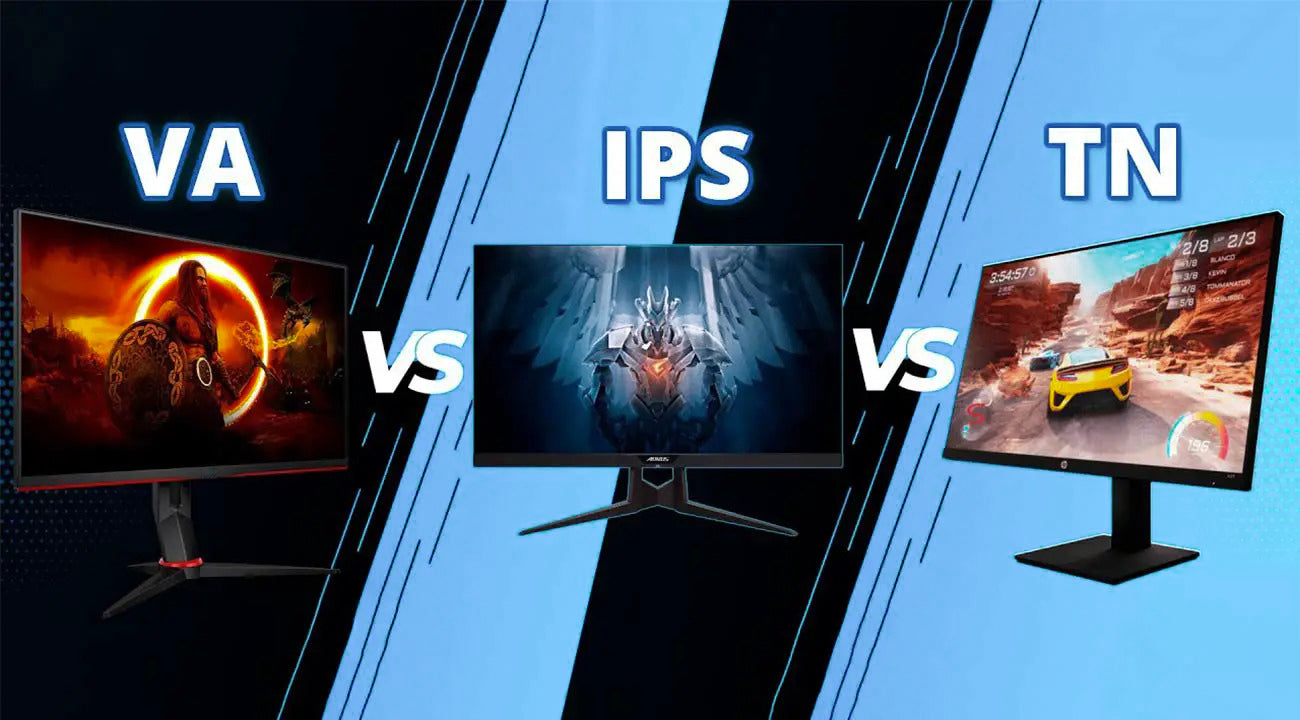
When buying a monitor, the most confusing specification is often the panel type. In 2026, while OLED is gaining traction, LCD panels (IPS, VA, TN) still dominate the mainstream market due to affordability and maturity. Let's break down the differences so you can make an informed choice.
1. TN (Twisted Nematic): The Speed Demon
Best For: Competitive Gamers (eSports)
TN panels are the oldest technology but remain relevant for one reason: speed. They offer the lowest response times (often < 1ms) and highest refresh rates at the lowest cost.
- Pros: Extremely fast, cheap, no motion blur.
- Cons: Terrible viewing angles (colors shift when you move your head), washed-out colors.
2. IPS (In-Plane Switching): The All-Rounder
Best For: Content Creators, Office Work, Casual Gamers
IPS is the gold standard for color accuracy and viewing angles. If you do any photo editing or just want a vibrant image, this is the choice. Modern "Fast IPS" panels have largely closed the speed gap with TN.
- Pros: Stunning colors, wide viewing angles, good response times.
- Cons: "IPS Glow" (backlight bleeding in dark scenes), lower contrast ratio (usually 1000:1).
3. VA (Vertical Alignment): The Contrast King
Best For: Movie Watchers, Immersive Single-Player Games
VA panels sit between TN and IPS. Their standout feature is contrast. While IPS has a 1000:1 contrast ratio, VA panels often hit 3000:1 or 4000:1, meaning blacks look much deeper (though not quite OLED level).
- Pros: Deep blacks, good colors, often used in curved monitors.
- Cons: "Black Smearing" (slow pixel transitions in dark scenes), narrower viewing angles than IPS.
Which One Should You Buy in 2026?
For 90% of users, IPS is the safest bet. It offers the best balance of performance and visual quality. If you watch a lot of movies in a dark room, consider VA. Only buy TN if you are a professional CS:GO or Valorant player on a strict budget.
A Few Practical Buying Tips
When you’re comparing monitors in a store or online, don’t get stuck on acronyms alone. Look at independent reviews, especially photos of black levels, viewing angles, and motion response. A well‑tuned IPS can look far better than a cheap VA, and a mid‑range VA can deliver a more pleasing picture than a bargain “gaming” IPS with poor factory calibration.
Also think about your room. If you sit close with lights on, viewing angles matter more; if you sit further back in a dim space, contrast becomes king. Combine that with your usage mix—how much is games versus work versus movies—and you’ll quickly see which panel type fits your life instead of chasing specs that only look good on a product page.
If possible, try to see at least one good example of each panel type in person before you buy. Bring a USB stick with familiar photos and a short dark scene from a movie or game, then ask the store to play them on different displays. Pay attention to how skin tones look, how readable small text is from your typical distance, and whether motion smears or looks clean when you pan the camera. Those simple real‑world checks reveal more about TN, IPS, and VA than any spec table, and they make it easier to feel confident that the panel you choose will still make you happy after the return window closes.