QD‑OLED vs Mini‑LED in 2026: Which Should You Buy?
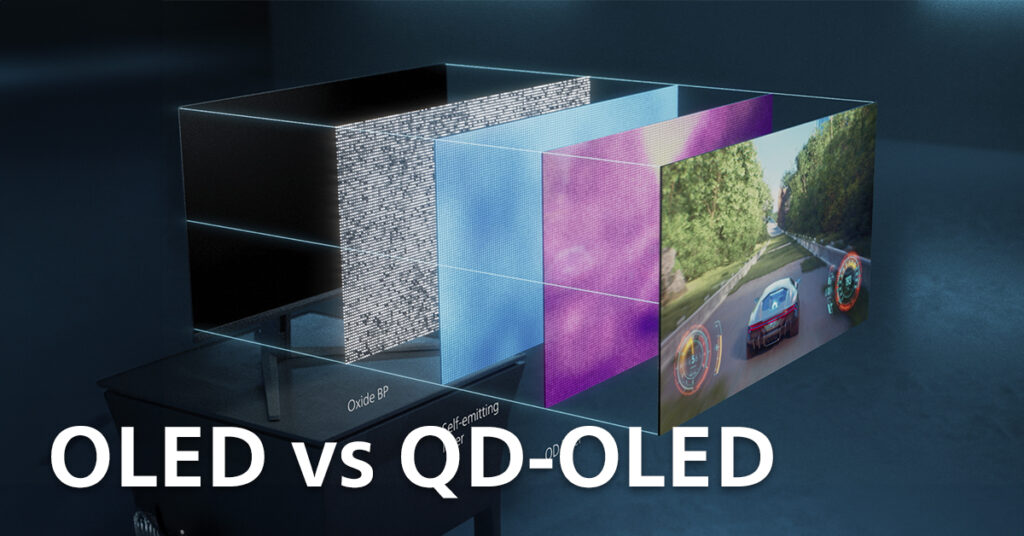
QD‑OLED delivers perfect blacks and vibrant colors, while Mini‑LED pushes LCD technology with thousands of local dimming zones for high brightness. Here’s how they stack up for gaming, movies, and productivity.
Picture Quality
- Contrast: QD‑OLED has pixel‑level dimming for infinite contrast; Mini‑LED is close with fine zone control.
- Brightness: Mini‑LED wins peak brightness for HDR highlights; new QD‑OLED panels narrow the gap.
- Color: QD‑OLED shows pure, saturated colors at wide angles; Mini‑LED depends on panel quality (usually IPS/VA).
Use Cases
- Gaming: Both hit 120–240Hz. QD‑OLED gives instant response; Mini‑LED reduces blooming with better HDR brightness.
- Movies: QD‑OLED excels in dark rooms; Mini‑LED shines in bright living rooms.
- Work: Mini‑LED can be safer for static UI with long hours; QD‑OLED offers superior uniformity.
Longevity & Price
Burn‑in mitigation continues improving on OLED. Mini‑LED sets often cost less at larger sizes. Check warranty terms for panel coverage.
Everyday Experience
In daily use, the panel you enjoy more often comes down to your room and habits rather than a spec sheet. If you mostly watch movies at night with the lights dimmed, the deep blacks and lack of blooming on a QD‑OLED can make films feel more cinematic. If your TV lives in a bright family room with sunlight pouring in, the extra punch of a Mini‑LED set can keep the image from looking washed out.
Think about what you actually watch too. Constant sports and news channels with static tickers are slightly safer on Mini‑LED, while mixed content and games with varied HUDs are less of a concern on modern OLEDs than they used to be. Either way, using features like pixel shift and auto logo dimming is a good idea.
Bottom Line
Dark‑room cinephile? Choose QD‑OLED. Bright room or mixed use? Mini‑LED offers excellent HDR punch and value. If budget allows, focus on size and picture processing first, then pick the technology that fits your room rather than chasing the most impressive marketing term.
If you are stuck between two models, make a short checklist of your non‑negotiables: room brightness, typical content, risk of static logos, and how long you plan to keep the TV. Compare how each candidate scores on those points instead of obsessing over tiny peak‑brightness or contrast differences in reviews. In most homes, the set that best matches your habits will feel like a bigger upgrade than the one that wins a spec race you only notice on paper.