The Truth About Blue Light Glasses: Do They Really Work?
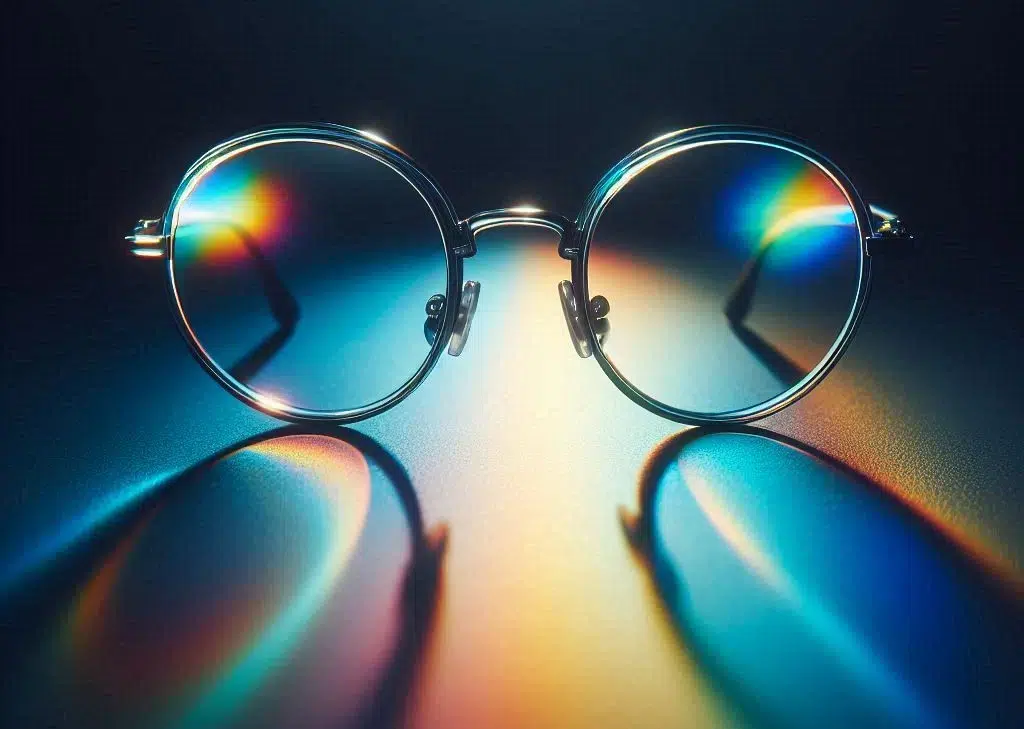
Walk into any optical store or browse Amazon, and you'll be bombarded with advertisements for "Blue Light Blocking Glasses." They promise to reduce eye strain, improve sleep, and prevent headaches. But in 2026, with screens dominating our lives more than ever, the question remains: is this science or snake oil?
Understanding Blue Light
Blue light is part of the visible light spectrum. It has a short wavelength and high energy. While the sun is the main source of blue light, we are concerned about artificial sources: LED lighting and digital screens (TVs, smartphones, computers, tablets).
The Sleep Connection: Where They Work
The most scientifically supported benefit of blue light glasses relates to your circadian rhythm. Exposure to blue light in the evening suppresses the production of melatonin, the sleep hormone. This tricks your brain into thinking it's still daytime.
- Verdict: Wearing amber-tinted glasses 2-3 hours before bed does help improve sleep quality for many people.
Digital Eye Strain: The Controversy
Many users claim these glasses reduce eye strain. However, the American Academy of Ophthalmology suggests that eye strain is rarely caused by blue light itself. Instead, it's caused by:
- Blinking less frequently while staring at screens.
- Poor posture.
- Screen glare.
- Sitting too close to the monitor.
If your glasses have an anti-reflective coating (which most quality blue light glasses do), that might be what's helping you, not the blue light filtering itself.
Are They Worth Buying?
If you work late at night or suffer from insomnia, a pair of amber-tinted glasses is a solid investment. For general daytime use, focusing on the 20-20-20 rule (look away every 20 minutes) and ensuring your monitor has a flicker-free backlight is often more effective than clear-lens "computer glasses."
How to Build Better Screen Habits
Instead of thinking of blue light glasses as a magic fix, treat them as one piece of a bigger routine. Simple changes like raising your monitor to eye level, keeping it at arm’s length, and taking short breaks to stretch your neck and shoulders can make a bigger difference than any coating on a lens. Many people also find that dimming overhead lighting and using a warm desk lamp in the evening makes screens feel less harsh.
If you do buy a pair, look for honest specs rather than dramatic marketing. A comfortable frame you actually enjoy wearing, decent anti‑reflective coating, and a reputable seller matter more than claims about blocking 99% of “harmful blue light.” Pair that with a consistent sleep schedule and a habit of putting devices away 30–60 minutes before bed, and you’ll be far closer to the eye comfort and rest you’re hoping for.
Key Takeaway
Don't rely on glasses as a cure-all. They are a tool, not a solution. Combine them with proper ergonomic habits, smart lighting, and healthier screen routines for the best results.
If you are evaluating whether your current pair is doing anything, keep a simple log for a week or two. Note what time you put the glasses on, what kind of work you did, and how your eyes and sleep felt that night. Patterns in that journal are far more honest than ad copy—some people discover that wearing amber lenses only in the last two hours before bed helps a lot, while using them all day makes everything look dull and discourages them from wearing them at all. Treat the experiment like any other habit change and adjust based on real‑world feedback.